 Pin
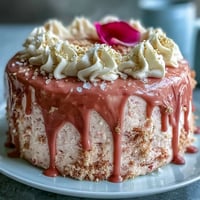
Pin Last spring, I found myself standing in a farmers market holding a bundle of edible flowers I had no idea what to do with. The vendor mentioned they were perfect for cake decoration, and something about that moment—the smell of fresh lemons nearby, the soft pastels of the blooms—made me determined to create something that felt like captured sunshine. That afternoon, I baked my first floral drip cake, and watching the white chocolate cascade down the sides while those delicate flowers settled on top felt like I'd finally translated spring into dessert form.
My sister's wedding shower was the first time I made this for a crowd, and I was nervous enough that I practiced the drip technique on a test cake the night before. When the real cake came together and those edible violets caught the light streaming through the kitchen window, I actually got emotional—not because I'm sentimental about baking, but because I'd created something beautiful with my own hands. Watching people's faces when they took that first bite, expecting delicate florals and instead finding bright lemon and buttery cake, made the three-hour baking session completely worth it.
Ingredients
- All-purpose flour: Use fresh flour if possible; older flour can affect rise and crumb structure, something I learned after a mysteriously dense cake in winter.
- Baking powder: This is your leavening agent and needs to be active, so check the expiration date—stale baking powder is a common cake saboteur.
- Unsalted butter: Room temperature is non-negotiable here because cold butter won't cream properly with sugar, no matter how hard you beat.
- Granulated sugar: The texture of your crumb depends on how well you cream this with butter, so give it the full 3–4 minutes even if it feels excessive.
- Eggs: Room temperature eggs mix smoothly into the batter; cold eggs can cause curdling and make your cake dense.
- Vanilla extract: Pure extract makes a difference in flavor depth that imitation simply cannot match.
- Whole milk: Room temperature prevents shocking the warm batter and ensures even mixing throughout.
- Powdered sugar: Sifting removes lumps and creates that silky frosting texture that spreads like a dream.
- Fresh lemon juice and zest: Freshly squeezed and zested lemons taste infinitely brighter than anything bottled or pre-zested.
- White chocolate chips: Quality matters here because cheap white chocolate tastes waxy; look for brands that list cocoa butter in ingredients.
- Heavy cream: This creates the ganache and needs to be the right temperature to melt chocolate evenly without seizing.
- Edible flowers: Source from trusted suppliers or farmers markets, never from florists or garden centers where pesticides are common.
Tired of Takeout? 🥡
Get 10 meals you can make faster than delivery arrives. Seriously.
One email. No spam. Unsubscribe anytime.
Instructions
- Prep your pans and preheat:
- Get the oven warming to 350°F while you grease three 8-inch pans and line them with parchment paper. This gives the oven time to reach full temperature and ensures even baking across all layers.
- Combine dry ingredients:
- Whisk flour, baking powder, and salt together in a medium bowl. This distributes the leavening evenly so you don't end up with random dense pockets.
- Cream butter and sugar:
- Beat them together for a full 3–4 minutes until pale and fluffy. You're incorporating air here, which is what gives the cake its tender crumb, so don't rush this step.
- Add eggs and vanilla:
- Add eggs one at a time, beating well after each addition so each one fully incorporates before you add the next. Then mix in vanilla extract until everything is combined.
- Alternate wet and dry additions:
- This is where patience pays off—start with flour, then milk, then flour again. Mix only until just combined; overmixing develops gluten and makes the cake tough, which nobody wants.
- Divide and bake:
- Pour batter evenly among the three pans and smooth the tops. Bake for 25–30 minutes until a toothpick comes out clean, then let them cool in the pans for 10 minutes before turning them out onto wire racks.
- Make lemon frosting:
- Beat softened butter until it's creamy, then gradually add sifted powdered sugar while beating. Mix in lemon juice, zest, and just enough milk to reach a spreadable consistency that clings to the spatula without being stiff.
- Layer and frost:
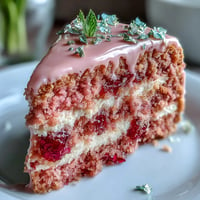
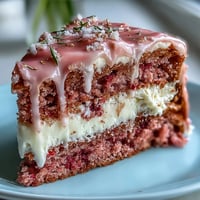
- Place the first cake layer on your serving plate, spread frosting generously on top, then repeat with the second layer. Frost the top and sides smoothly, using an offset spatula for a polished look.
- Create white chocolate drip:
- Heat heavy cream until it just begins to steam, then pour it over white chocolate and let it sit for 2 minutes before stirring until silky smooth. Add gel coloring if you want pastels, then cool until it's slightly thickened but still pourable.
- Add the drip and decorate:
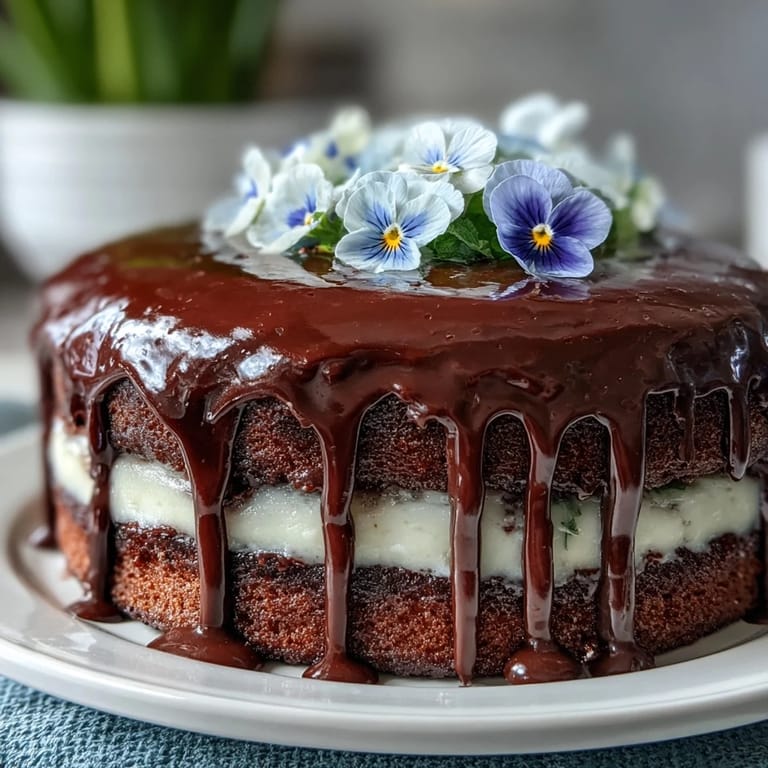
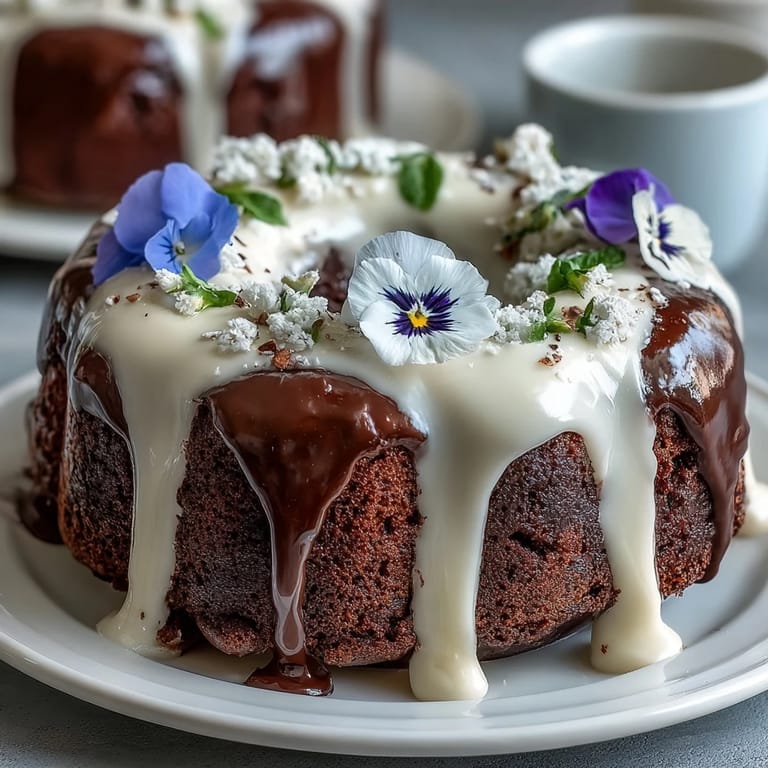
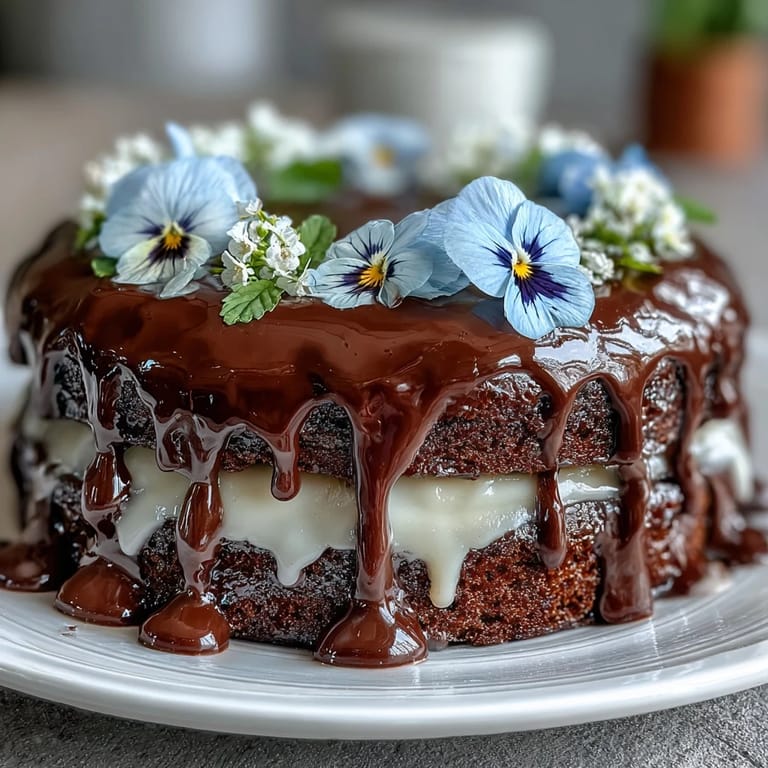
- Using a spoon or squeeze bottle, let the ganache run naturally down the sides of the cake from the top edge. Scatter edible flowers across the top while the ganache is still slightly tacky so they stay put.
 Pin
Pin There's something quietly magical about baking a cake just to watch people experience it—not just taste it, but see it first and feel that moment of delight when beauty and flavor align. This cake does that without demanding you be a pastry chef, which somehow makes it feel like the biggest secret you can share with someone you care about.
The Lemon Frosting Breakdown
The brightness of lemon frosting is what transforms a regular vanilla cake into something that feels special and intentional. I've learned through trial and frustration that the ratio of lemon juice to powdered sugar matters tremendously—too much juice and the frosting becomes grainy and won't hold shape, too little and it tastes like sweet flour rather than lemon. The zest is what gives it that little burst of flavor and those tiny flecks that remind you it's made with real lemons, not extract.
Timing and Temperature Matter
Getting all your ingredients to room temperature before you start might feel like an extra step, but it genuinely changes the outcome. Cold eggs will curdle into the batter, cold milk will seize up the butter, and cold flour will make everything harder to combine smoothly. I used to skip this step thinking I was saving time, then I realized I was actually making more work for myself by dealing with a less-than-perfect crumb.
Decorating With Confidence
The white chocolate drip looks intimidating but it's actually forgiving once you understand the consistency you're aiming for. I've dripped too-thick ganache that stayed in blobs and too-thin ganache that pooled on the plate, and now I know the sweet spot is somewhere between honey and icing—thick enough to hold a line but fluid enough to flow naturally. The edible flowers are your safety net for imperfect drips because their beauty distracts from any wonky lines, plus they make the whole cake feel intentional and artistic rather than homemade in a rustic way.
- Let the white chocolate ganache cool until it's barely pourable before dripping, testing on a spoon first to avoid disasters.
- Arrange edible flowers right before serving so they don't dry out or lose their delicate color and texture.
- If your drip mess goes sideways, remember that a generous scatter of lemon zest and sprinkles can instantly make it look intentional.
 Pin
Pin This cake has become my answer to nearly every celebration—not because it's the fanciest or most complex, but because it reliably brings joy without stealing your entire day. The combination of spring flowers, bright lemon, and indulgent chocolate makes everyone at the table feel seen.
Recipe FAQs
- → What type of flowers can be used for decoration?
Use edible flowers like violets, pansies, or rose petals that are pesticide-free and safe for consumption.
- → How is the white chocolate drip prepared?
Heat heavy cream until simmering, pour over white chocolate, let stand for 2 minutes, then stir until smooth and pourable.
- → Can this be made gluten-free?
Yes, substitute all-purpose flour with a 1:1 gluten-free flour blend to accommodate gluten sensitivities.
- → How should the cake be stored?
Keep the cake refrigerated for up to 3 days and bring it to room temperature before serving for best texture.
- → What flavors balance the cake best?
The bright lemon frosting complements the soft vanilla sponge, while the white chocolate drip adds subtle richness.