 Pin
Pin The first time I brought home pressed edible flowers, my kitchen felt like a miniature greenhouse, scents of grass and sweetness mingling as I opened the box. I didn't plan to put them on a cake—initially, I was just drawn in by their colors, scattered across my countertop like confetti. Eventually, imagination took over, and that afternoon, I found myself gently pressing pansies onto a lemon curd sponge while sunlight spilled across my work table. The floral aroma was subtle but surprisingly uplifting, and I loved how the lemon zest promised a sharp brightness beneath the soft cream finish. Now, every spring, I look forward to creating what feels less like dessert and more like a celebration of the season itself.
The day my sister arrived early for her birthday, I was halfway through whipping the cream, music on, already dusted in sugar. She helped me select the most vibrant flowers and, grinning, offered advice about which ones would hold up best in the fridge. We ended up sampling curd from the bowl and laughing about mistakes—like pressing a flower upside down—with the kitchen windows flung open, spring air mixing right in.
Ingredients
- Unsalted butter: Softening it fully brings the batter together with no lumps, making the sponge tender every single time.
- Granulated sugar: Creaming sugar with butter builds the cake’s airy structure; don’t skimp on the mixing time.
- Large eggs: Using them at room temperature ensures the batter emulsifies smoothly, preventing curdling.
- Vanilla extract: A dash rounds out the lemon and floral notes, never overwhelming but always present.
- All-purpose flour: Sifting flour with baking powder gives lift and softness; measuring accurately keeps the cake light.
- Baking powder: This is essential for that gentle rise; double check freshness before you bake.
- Fine sea salt: Just a pinch here; balancing the sweetness for a cleaner finish.
- Whole milk: At room temperature, it integrates better, keeping the batter cohesive and moist.
- Lemon zest: Adds a hit of brightness; zest directly over the bowl to capture the fragrant oils.
- Eggs for lemon curd: Whisk smooth for a creamy, thick curd; using fresh eggs lends a silkier texture.
- Granulated sugar for curd: Helps set the curd and makes the lemon flavor sparkle.
- Freshly squeezed lemon juice: Squeezing right before use means peak tang and aroma.
- Finely grated lemon zest for curd: Sprinkling in extra zest gives the curd intense lemon flavor.
- Unsalted butter for curd: Adding cold butter at the end makes the curd luscious and glossy.
- Heavy cream: Chilling the cream and bowl helps it whip faster and fluffier.
- Powdered sugar: A small amount sweetens the icing gently, never overwhelming the lemon.
- Vanilla extract for cream: Just enough for delicate aroma in the whipped topping.
- Pressed edible flowers: Choose only organic, edible varieties and press them between paper for a few hours; pansies, violets, and rose petals all work beautifully.
Tired of Takeout? 🥡
Get 10 meals you can make faster than delivery arrives. Seriously.
One email. No spam. Unsubscribe anytime.
Instructions
- Get Your Cake Pans Ready:
- Grease two 8 inch pans and line with parchment—the aroma of butter promises a delicious day ahead. This simple step saves trouble later when unmolding.
- Cream Butter and Sugar:
- Beat the butter and sugar until light and fluffy; the mixture should look almost pale and airy, a sign that you’ve incorporated plenty of air for a tender crumb.
- Add the Eggs and Flavor:
- One at a time, mix in the eggs, vanilla, and lemon zest, taking care not to rush—the batter smells rich and citrusy as you go.
- Combine the Dry Ingredients:
- Whisk flour, baking powder, and salt together. Alternately add dry mix and milk to the batter, stirring until just blended—don’t overwork it or the cake may toughen.
- Bake the Layers:
- Divide the batter between pans. Bake for 25–30 minutes until golden and a toothpick tests clean; the cakes should spring back lightly when pressed.
- Cool Completely:
- Let cakes cool in their pans for 10 minutes, then tip onto a rack and allow to cool all the way—the scent of warm cake fills the kitchen and it's hard to resist sneaking a bite.
- Prepare Lemon Curd:
- Whisk eggs, sugar, lemon juice, and zest in a heatproof bowl over simmering water, stirring constantly until thickened and glossy. Remove from heat and whisk in butter until silky; let it cool—the curd will firm up as it chills.
- Whip the Cream:
- Beat chilled cream, powdered sugar, and vanilla until firm peaks form—the mixture should hold its shape when you lift the whisk.
- Assemble the Cake:
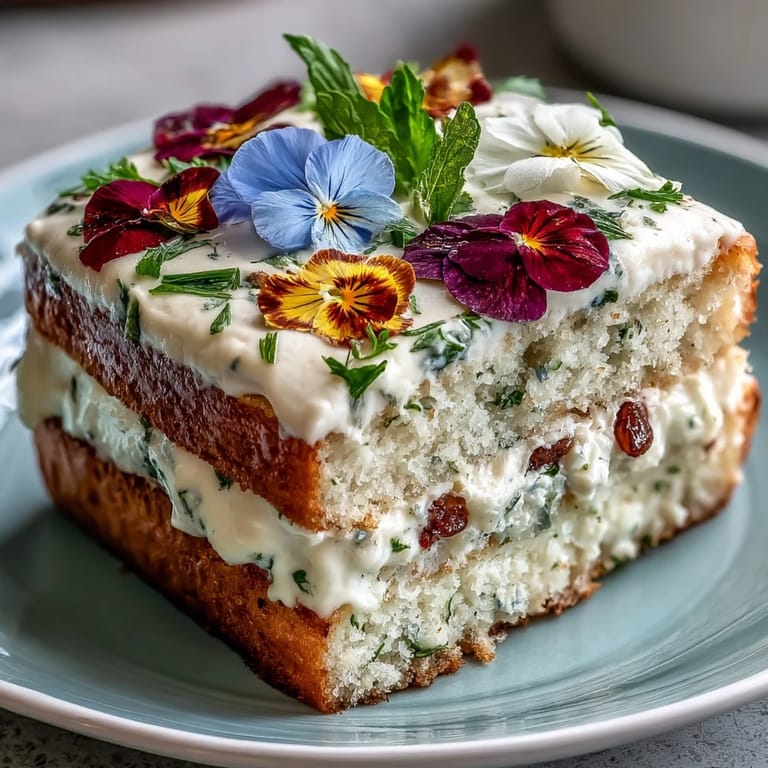
- Place one cake layer on a plate, spread thick lemon curd, then add the second layer. Gently frost the top and sides with whipped cream for a soft, rustic look.
- Decorate with Edible Flowers:
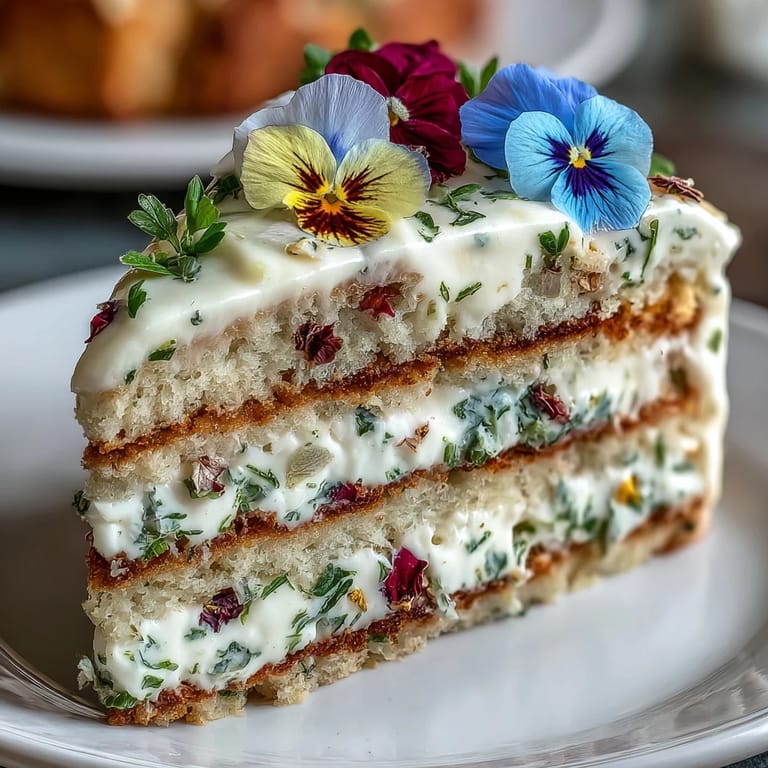
- Arrange flowers over the surface and press lightly so they stick—get creative, and enjoy the calm repetition. Chill for at least 30 minutes so everything sets and the flowers stay crisp.
 Pin
Pin When we sliced the cake for the family gathering, everyone paused mid-conversation to admire the delicate petals pressed into the creamy topping. My niece lifted her fork, hesitated, then assured the group that violets taste sweet—turning the moment into laughter and encouragement. The cake truly became the centerpiece, sparking spring stories and smiles around the table.
How to Select Your Edible Flowers
Choosing organic, pesticide free edible flowers is non negotiable, both for taste and safety. Pressing them gently between paper towels with a book preserves their shape and color, making them ready for cake decorating. Violets and pansies hold up well, while rose petals add fragrance but are delicate.
Making Lemon Curd Without Stress
Cooking curd in a double boiler prevents overheating and helps it thicken gradually. Whisking constantly is key; the transformation happens suddenly, and you'll spot the curd going from liquid to creamy in just moments. Have cold butter cubed and ready—adding it fast keeps the texture smooth.
Cake Assembly Secrets
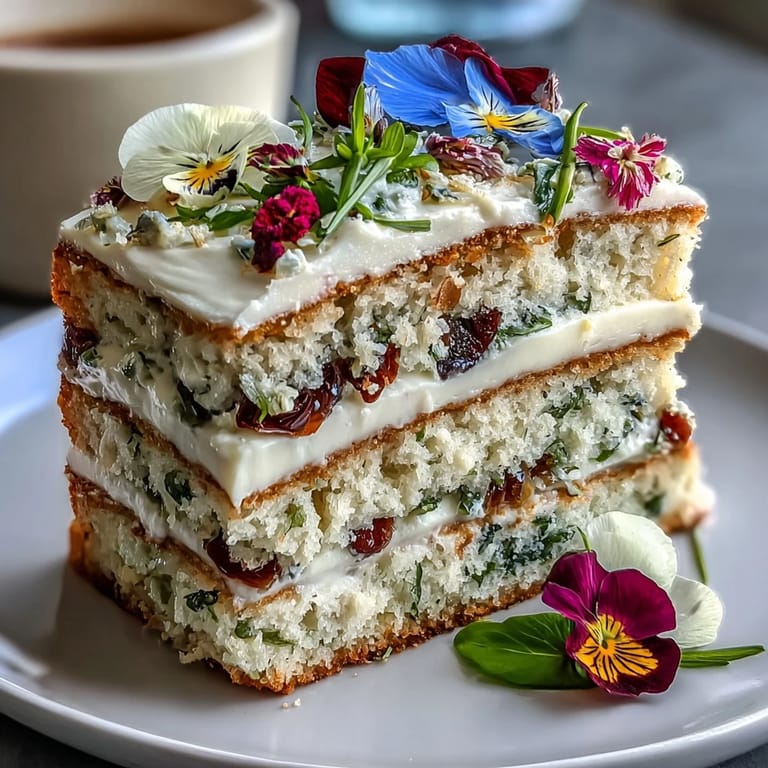
Assembling the sponge isn’t tricky, but spreading the lemon curd while it's cool avoids dripping and helps layers stay clean. Frosting with whipped cream using an offset spatula makes for a rustic finish that hides any crumbs or imperfections. The final touch, arranging flowers, is both forgiving and fun—move them around freely until you’re happy with the look.
- Press flowers gently so they stick to cream but don’t tear.
- Cake is easiest to slice after chilling for half an hour.
- If decorating ahead, cover lightly and store in the fridge to keep flowers fresh.
 Pin
Pin There’s a quiet joy in making a cake that’s as beautiful as it is delicious. I hope your kitchen fills with color, laughter, and a hint of lemon as you bring Spring Cake to life.
Recipe FAQs
- → How do you ensure edible flowers are safe?
Use organically grown flowers verified as edible, avoiding those exposed to pesticides or not specified for consumption.
- → Can the cake be prepared in advance?
Yes, sponge layers can be baked a day ahead and stored wrapped at room temperature for freshness.
- → What type of flowers work best for decoration?
Pansies, violets, nasturtiums, and organic rose petals offer vibrant color and are typically edible with mild flavors.
- → What is the best way to make lemon curd smooth?
Whisk continuously over gentle heat, then stir in butter while still warm for a silky consistency.
- → How should the decorated cake be served?
Chill for at least 30 minutes to set decorations, then slice and serve with tea or a sparkling drink.