 Pin
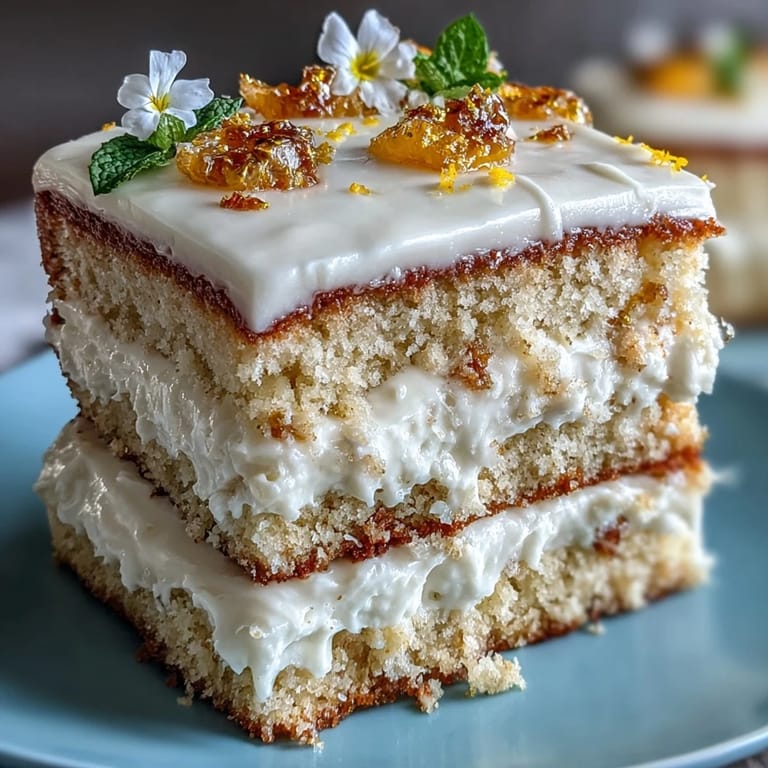
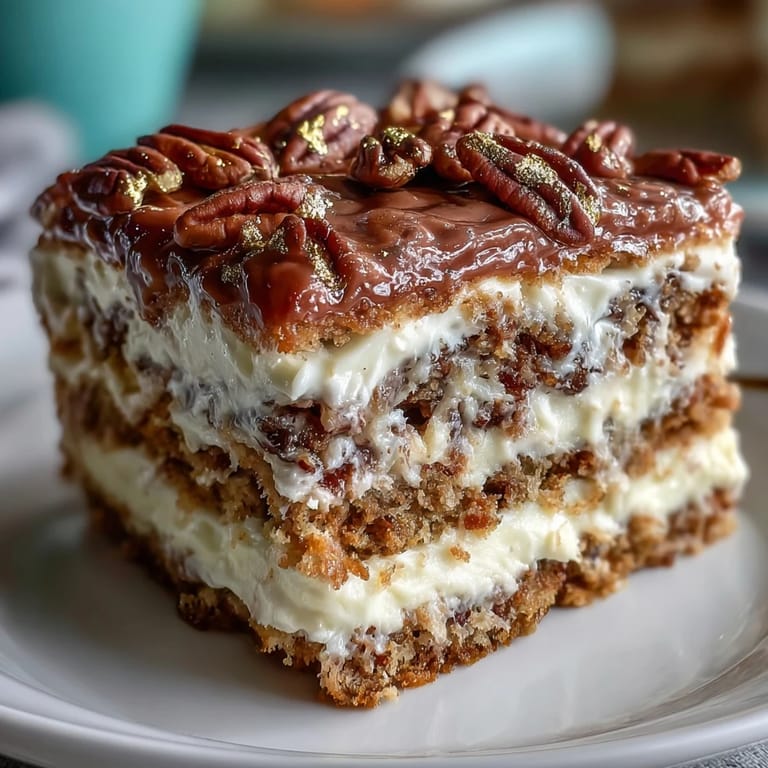
Pin My friend texted me in a panic two weeks before her graduation: 'I need a cake that looks like I didn't bake it myself.' That's when I decided to make something that felt impossibly fancy but was actually manageable, and this golden flower-topped cake became the answer. Watching her face when she saw it sitting on the dessert table, all shimmer and delicate petals, made every careful step worthwhile. It wasn't just dessert—it was her moment made edible.
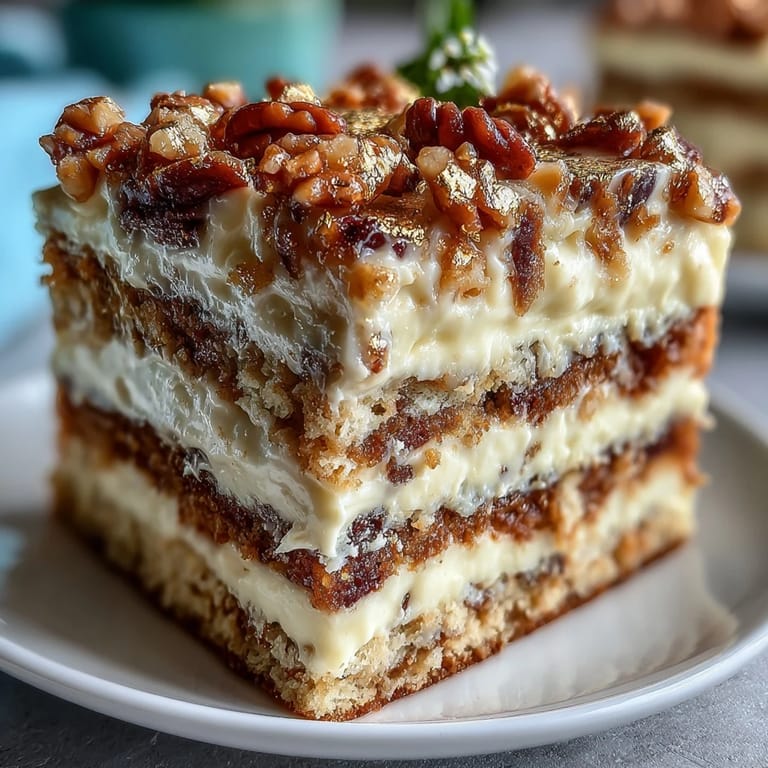
I'll never forget standing in my kitchen at 6 AM on graduation day, carefully pressing tiny gold leaves onto the buttercream while my coffee got cold beside me. The flowers arrived the night before in a small box, still dewey and perfect, and I spent an embarrassing amount of time arranging and rearranging them on the cake's surface. When my friend finally cut into it and saw those clean vanilla layers, she actually teared up—not because she was emotional about graduating, but because someone had taken that much care to make her day special through cake.
Ingredients
- All-purpose flour (2 1/2 cups): The foundation of a tender crumb; sifting it keeps the cake light and prevents dense pockets.
- Baking powder (2 1/2 tsp): Your rise agent—use fresh powder so your cake actually lifts in the oven.
- Salt (1/2 tsp): A small amount brightens vanilla flavor and shouldn't be skipped, even though it seems insignificant.
- Unsalted butter (1 cup plus 1 1/2 cups): Room temperature is non-negotiable for creaming and for the buttercream; cold butter won't incorporate smoothly.
- Granulated sugar (2 cups plus 1 1/4 cups): The first amount goes into the cake batter, the second into the meringue for a silky buttercream finish.
- Large eggs (4 for cake, 5 for buttercream): Room temperature eggs emulsify better and create a more stable batter and meringue.
- Vanilla extract (1 tbsp plus 2 tsp): Use real vanilla, not imitation; it makes a subtle but noticeable difference in flavor.
- Whole milk (1 cup): Added in alternating batches with flour to keep the batter balanced and prevent overmixing.
- Edible gold leaf sheets: A little goes a long way; buy from a reputable kitchen supplier to ensure food safety.
- Assorted edible flowers (pansies, violets, roses): Source from edible flower growers or farmers markets, never from a florist unless explicitly food-safe.
- Food-safe paintbrush: Essential for applying gold leaf without damaging it or the cake surface.
Tired of Takeout? 🥡
Get 10 meals you can make faster than delivery arrives. Seriously.
One email. No spam. Unsubscribe anytime.
Instructions
- Set your oven and prepare your pans:
- Heat your oven to 350°F and grease three 8-inch round pans thoroughly, then line the bottoms with parchment paper so cakes release cleanly. This step prevents stuck cake disasters and makes your life infinitely easier.
- Combine your dry ingredients:
- Whisk flour, baking powder, and salt in a bowl and set aside; this distributes the leavening evenly throughout the cake. You can do this step hours ahead if you want.
- Cream butter and sugar:
- Beat room temperature butter and sugar for about 3 minutes until the mixture looks pale and fluffy, almost like mousse. This is where you're incorporating air that will help your cake rise.
- Add eggs one at a time:
- Drop each egg in separately and mix for about a minute before adding the next one; this prevents the batter from looking curdled. Once all eggs are in, mix in vanilla extract until just combined.
- Alternate wet and dry additions:
- Start with some of the flour mixture, then milk, then flour again, ending with flour and mixing only until you don't see streaks of flour. Overmixing develops gluten, which makes the cake tough, so be gentle here.
- Fill your pans evenly:
- Divide the batter equally among the three prepared pans and smooth the tops with a spatula for even baking. If the layers aren't level, they'll stack awkwardly later.
- Bake until golden:
- Bake for 28 to 32 minutes; the cake is done when a toothpick inserted in the center comes out clean and the tops are light golden brown. Don't open the oven door before 25 minutes or you'll deflate all that lovely air.
- Cool the cakes properly:
- Let them sit in pans for 10 minutes, then turn them out onto wire racks to cool completely; this prevents a dense, soggy bottom. This step takes patience, but room temperature cakes are easier to frost.
- Make the meringue base:
- Whisk egg whites and sugar in a heatproof bowl over simmering water, stirring constantly until the mixture reaches 160°F and the sugar dissolves completely. You need to feel it go from grainy to smooth, which takes about 5 minutes of constant whisking.
- Whip to stiff peaks:
- Transfer the warm meringue to a stand mixer and beat on high speed for 8 to 10 minutes until stiff peaks form and the bowl is cool to the touch. This is where the magic happens—the mixture transforms from glossy to billowing.
- Add butter gradually:
- With the mixer on medium speed, add butter a few cubes at a time, waiting for each addition to incorporate before adding more. If the buttercream looks broken or curdled halfway through, keep mixing; it usually comes together.
- Season and finish:
- Once all butter is incorporated, add vanilla extract and a pinch of salt, mixing until the buttercream is smooth and silky. At this point, you have liquid gold for frosting.
- Layer and frost:
- Place one cake layer on your serving plate, spread a generous layer of buttercream on top, then repeat with the remaining layers. Apply a thin crumb coat first, chill for 20 minutes to set it, then apply the final smooth layer of buttercream for a polished finish.
- Apply gold leaf with precision:
- Use a food-safe paintbrush to gently press edible gold leaf onto sections of the frosted cake, working in small areas at a time. The leaf is delicate but sticks beautifully to buttercream.
- Arrange flowers as your final touch:
- Place edible flowers decoratively across the cake, leaving some gold showing through for contrast and balance. A gold ribbon around the base adds an extra layer of elegance if you want it.
 Pin
Pin There was a moment when my friend's mother quietly pulled me aside at the reception and said, 'She told me you made this.' That simple acknowledgment transformed the cake from a dessert into evidence that someone had shown up for a milestone. Food does that—it tells people they matter.
Why Chocolate Works Too
If vanilla feels too traditional for the occasion, substitute half a cup of the all-purpose flour with unsweetened cocoa powder for a subtle chocolate flavor that still lets the decorations shine. The cocoa adds richness without making the cake heavy or dark, and it pairs beautifully with the Swiss meringue buttercream, which has just enough sweetness to balance chocolate's earthiness. I've made both versions, and honestly, the chocolate option feels slightly more sophisticated, like you're celebrating with cake made for adults.
Timing and Make-Ahead Strategy
The beauty of this cake is its flexibility with timing—bake the layers up to three days ahead and store them wrapped in plastic wrap at room temperature, or freeze them for up to two weeks. Make the buttercream the day before and keep it in an airtight container in the fridge; bring it to room temperature and give it a quick rewhip before using. The only thing you should do the day of is the final frosting and flower arrangement, which takes about an hour and feels manageable even if you're nervous.
- Chill assembled cakes for 30 minutes before decorating: This sets the buttercream and makes gold leaf application easier.
- Keep edible flowers in a cool spot until the last moment: They wilt quickly once picked, so arrange them just before serving.
- Serve the cake within two hours of decorating: Gold leaf won't affect taste, but buttercream and flowers are most beautiful when fresh.
What to Pair With This Cake
Sparkling wine is the obvious choice, and it genuinely complements the vanilla and buttercream beautifully without competing for attention. A light fruit punch works equally well if the celebration includes people who don't drink alcohol, and chilled champagne makes it feel extra festive. I've also served this alongside fresh berries or a simple lemon curd on the side for guests who want a little brightness with their bites.
 Pin
Pin This cake exists to celebrate a moment that only happens once, so take the time to make it feel special. You're not just baking; you're creating a memory someone will actually remember.
Recipe FAQs
- → What makes Swiss meringue buttercream special?
Swiss meringue buttercream is smooth and silky, made by gently heating egg whites and sugar before whipping, resulting in a light yet stable frosting perfect for layering and decorating.
- → How should edible flowers be prepared before use?
Use only pesticide-free, food-grade flowers labeled safe for consumption. Gently wash and dry them before arranging on the cake for a fresh, natural look.
- → Can I substitute the vanilla sponge with a chocolate variant?
Yes, replace half a cup of flour with cocoa powder to add chocolate flavor without altering the texture significantly.
- → What is the best way to apply gold leaf without tearing?
Use a clean, dry, food-safe paintbrush to carefully lift and place gold leaf on the cake, handling gently to prevent tearing.
- → How long should the cake layers cool before frosting?
After baking, cool the layers in pans for 10 minutes, then transfer to wire racks to cool completely to ensure the buttercream adheres properly.