 Pin
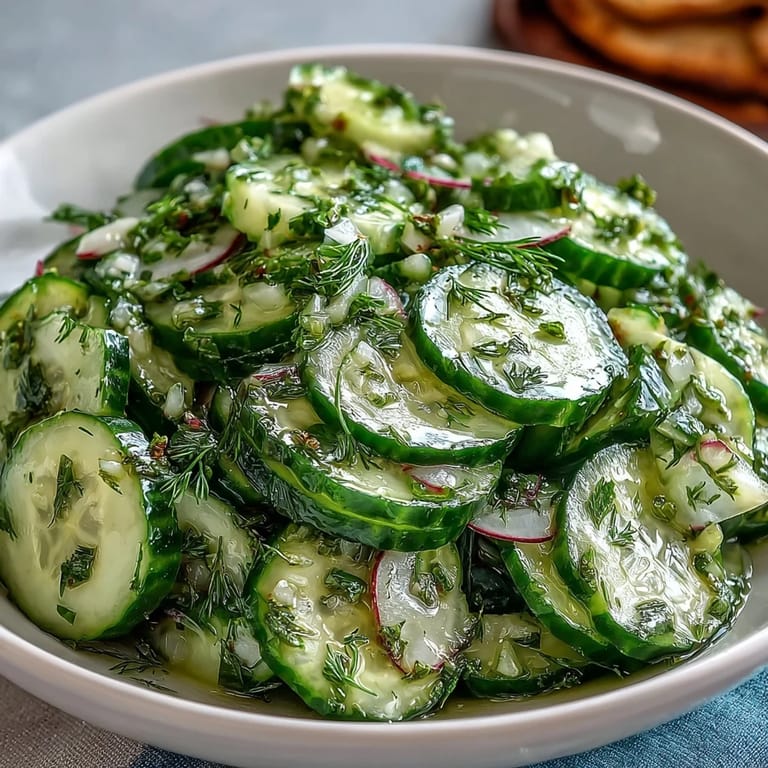
Pin There's something about springtime that makes me crave salads so crisp they practically sing on the plate. My neighbor handed me a bunch of radishes from her garden one April afternoon, and I stood there wondering what to do with something so peppery and alive-looking. That's when I remembered a little vinaigrette with dill I'd played around with the summer before, and suddenly the whole thing clicked—cucumbers, radishes, that bright herb, and a whisper of honey to soften the bite.
I made this for a potluck last summer where everyone showed up with heavy casseroles, and this light, crunchy salad somehow became the thing people actually finished. Someone asked if I'd used some fancy ingredient, and I loved getting to say it was just good radishes, good timing, and not overthinking it. That's stuck with me—sometimes the best dishes are the ones where you let everything taste like itself.
Ingredients
- Cucumbers (2 large, thinly sliced): The thinner you slice them, the faster they absorb the vinaigrette and become silky without getting soggy—a mandoline makes this effortless if you have one.
- Radishes (6, thinly sliced): These little peppery rounds are the salad's backbone, bringing heat and crunch that keeps everything interesting.
- Scallions (2, thinly sliced): They add a mild onion brightness that ties the whole thing together without overwhelming anything.
- Extra virgin olive oil (3 tablespoons): A good one matters here since you're tasting it directly—nothing heavily processed.
- White wine vinegar (1 tablespoon): It's milder than distilled vinegar and lets the dill shine through instead of fighting for attention.
- Dijon mustard (1 teaspoon): This acts as an emulsifier, helping the oil and vinegar actually hold hands instead of separating into grumpy layers.
- Honey (1 teaspoon): Just enough to round out the sharp edges and balance the vegetables' natural bitterness.
- Fresh dill (2 tablespoons, finely chopped): Don't skip this or use dried—fresh dill is what makes this taste like spring instead of an afterthought.
- Salt and freshly ground black pepper (to taste): Always taste as you go and adjust before serving, since salt changes everything.
Tired of Takeout? 🥡
Get 10 meals you can make faster than delivery arrives. Seriously.
One email. No spam. Unsubscribe anytime.
Instructions
- Prepare your vegetables:
- Slice your cucumbers and radishes as thin as you can manage—thin enough to be almost translucent at the edges. Put them in a large bowl with the scallions and take a moment to appreciate how they look together before anything else happens to them.
- Make the vinaigrette:
- In a small bowl or jar, whisk the olive oil, white wine vinegar, mustard, and honey together until it looks creamy and emulsified, which takes about thirty seconds of real attention. Add the fresh dill and stir gently, then taste it straight from the whisk—it should be bright but not puckering, with the dill flavor floating on top.
- Combine everything:
- Pour the vinaigrette over the vegetables and toss with your hands or two spoons, being gentle so nothing bruises or breaks. You want every slice coated but not drowning.
- Let it rest:
- Give it five to ten minutes to sit quietly while the flavors actually talk to each other instead of just existing on the same plate. This is when the magic happens—the vinegar softens the radishes slightly while they stay crisp, and everything becomes one thing instead of separate ingredients.
- Taste and serve:
- Before plating, taste it again and adjust the salt and pepper if needed. Serve it chilled or at room temperature, depending on how cold your kitchen feels and what you're eating it alongside.
 Pin
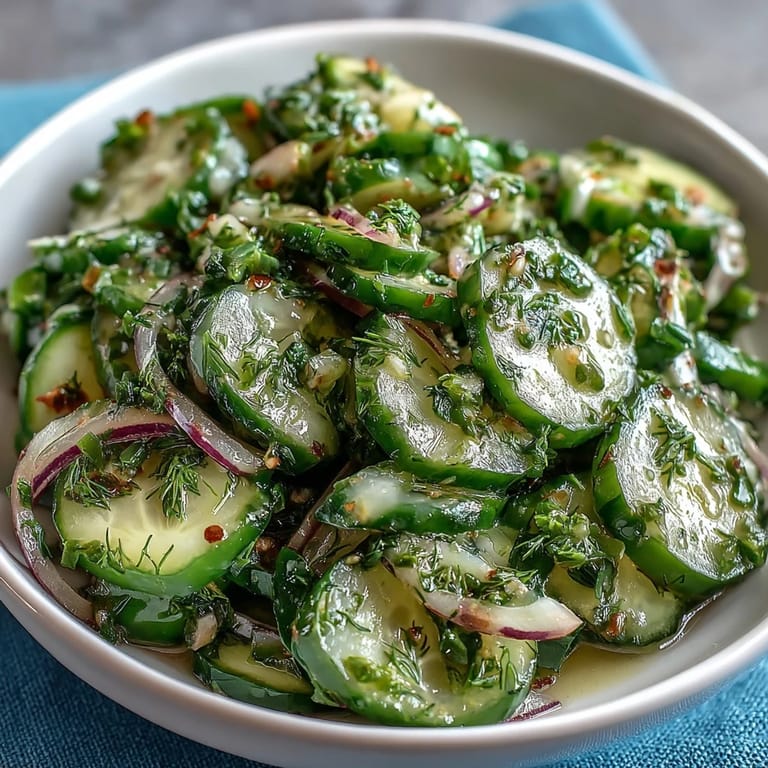
Pin What surprised me most was watching people at that potluck go back for seconds of a salad with five ingredients and no drama. It taught me that sometimes the quietest food is the most memorable, especially when everyone's taste buds are tired from heavier things.
When to Serve This Salad
This works beautifully alongside grilled fish or roasted chicken because it clears your palate between bites instead of competing with them. I've also served it as the opening course at dinner parties where it sets a light, fresh tone before the heavier dishes come out, and people seem grateful for that little moment of crispness before things get richer.
Flavor Swaps and Variations
If white wine vinegar feels too delicate for your taste, apple cider vinegar brings a deeper, spicier note that some people prefer. You can also slip in thinly sliced celery or fennel for extra crunch and a subtle anise flavor that actually compliments the dill in an unexpected way.
Storage and Make-Ahead Tips
The best version of this salad is the one you eat within an hour of assembling it, while everything still feels snappy and alive. If you need to make it ahead, keep the vinaigrette separate in a jar and dress the vegetables just before serving, which takes thirty seconds and keeps everything the way you actually want it.
- Store the vinaigrette in a jar in the refrigerator for up to three days and shake it before using since it will separate.
- Prep your vegetables earlier in the day and keep them in separate containers—they'll stay crisp longer when they're not already wet.
- This salad doesn't really improve overnight, so make it fresh when you're ready to eat it and you'll be happier with every bite.
 Pin
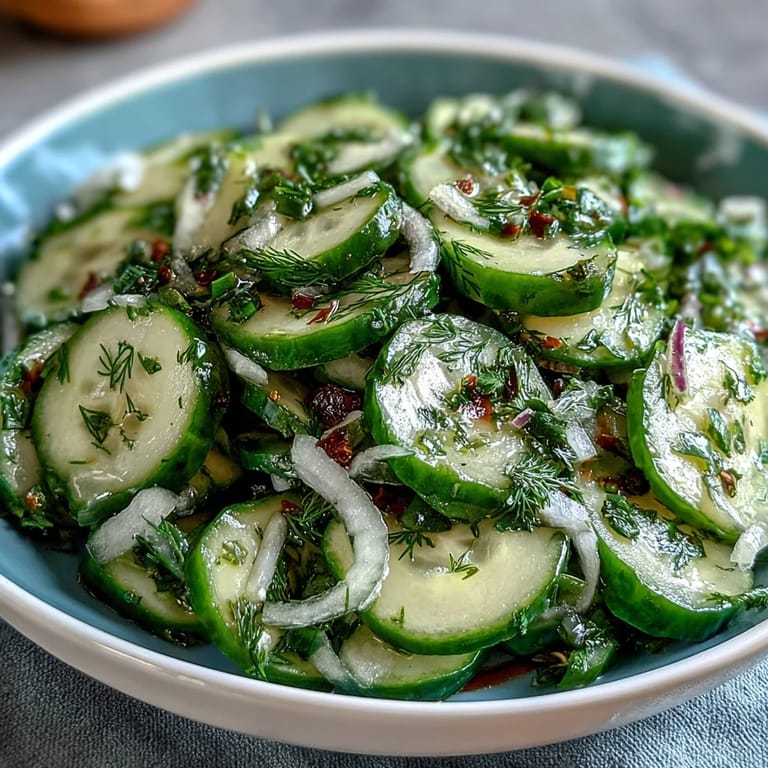
Pin This salad taught me that sometimes the best way to celebrate good ingredients is to get out of their way and let them be themselves. Keep it in your rotation for those moments when you want something that tastes like care without any fussing.
Recipe FAQs
- → How do I prepare the vegetables for this salad?
Thinly slice cucumbers, radishes, and scallions evenly to ensure a crisp texture and balanced flavor distribution.
- → What ingredients make up the vinaigrette?
The vinaigrette combines extra virgin olive oil, white wine vinegar, Dijon mustard, honey, and fresh chopped dill, seasoned with salt and pepper.
- → Can I substitute any ingredients in the vinaigrette?
Yes, you can use apple cider vinegar instead of white wine vinegar for a tangier profile without compromising freshness.
- → How long should the salad rest before serving?
Allow the salad to rest for 5 to 10 minutes after tossing to help the flavors meld and enhance the overall taste.
- → What are some good pairings with this salad?
This crisp salad pairs well with grilled fish or roasted chicken, adding a light, refreshing contrast to richer main dishes.