 Pin
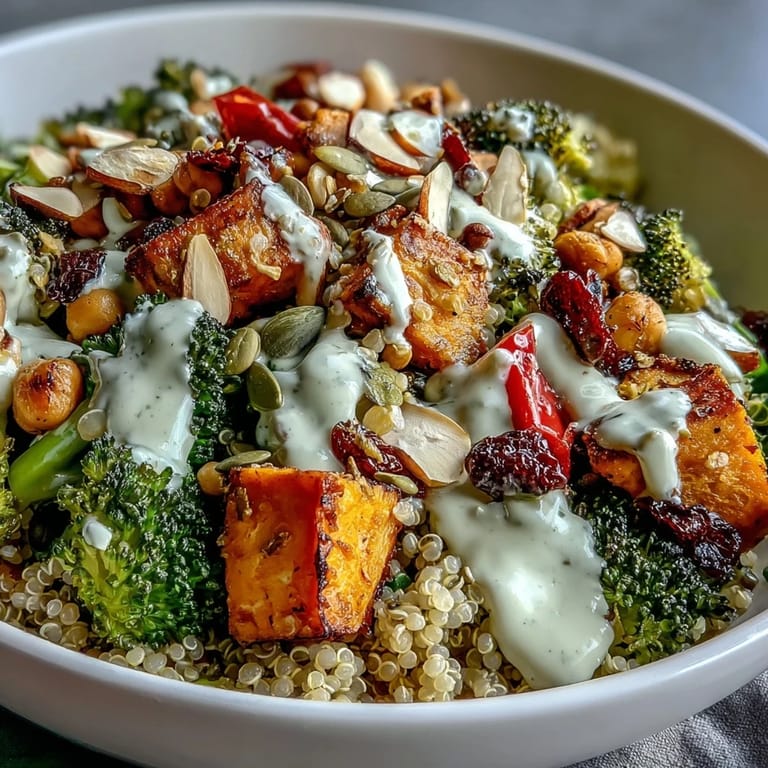
Pin Sunday mornings used to mean chaos in my kitchen until I discovered that assembling these power bowls ahead of time transformed my entire week. There's something oddly satisfying about opening the fridge mid-Wednesday and finding exactly what you need staring back at you, no decisions required. The first time I made five at once, I felt like I'd unlocked a secret hack that made eating well actually sustainable. Now this recipe is my reset button whenever life gets hectic.
I remember making these bowls for my friend who'd just started a new job and was living on vending machine snacks. When I handed her a container, she opened it at her desk and the smell of fresh herbs and roasted vegetables caught the attention of three coworkers who immediately wanted to know where she'd bought lunch. Turns out she'd made them herself, and now she makes a batch every Sunday too. That's when I knew this wasn't just convenient—it was the kind of recipe that actually changes how people eat.
Ingredients
- Cooked quinoa (2 1/2 cups): This grain is a complete protein with all nine amino acids, which is rare for plant-based foods and keeps you full longer than white rice would.
- Sweet potato, diced (2 cups): The natural sweetness balances the earthiness of beans, and roasting brings out a caramel note that makes the whole bowl taste intentional.
- Broccoli florets (2 cups): Don't skip the roasting step here—it transforms broccoli from a sad cafeteria vegetable into something crispy and almost nutty.
- Red bell pepper, chopped (1): Raw bell peppers add snap and brightness that keeps the bowl from feeling heavy.
- Olive oil (2 tbsp) and sea salt (1/2 tsp): These two ingredients are responsible for the caramelization that makes roasted vegetables taste restaurant quality.
- Cherry tomatoes, halved (1 cup): Buy them ripe and fragrant; the fresh ones make all the difference in a make-ahead bowl.
- Cucumber, diced (1 cup): This stays surprisingly crisp even after four days in the fridge if you keep it separate from the dressing.
- Baby spinach or kale, chopped (1 cup): Kale holds up better over time, while spinach wilts slightly but tastes softer and milder.
- Red onion, thinly sliced (1/4 cup): The sharpness cuts through the richness of tahini dressing and adds color contrast.
- Black beans and chickpeas (1 1/2 cups each): This combination of beans provides two different textures and flavors, keeping the bowl interesting bite after bite.
- Roasted almonds, chopped (1/4 cup): They add crunch that survives the week without getting soggy.
- Pumpkin and sunflower seeds (2 tbsp each): These are your texture insurance, staying crunchy longer than nuts and adding earthy flavor.
- Tahini (1/4 cup): This sesame paste creates a dressing that's creamy without any dairy, and it tastes better when it has time to meld with the other flavors.
- Lemon juice (2 tbsp): Fresh is non-negotiable here; bottled juice will taste flat by day three.
- Maple syrup or honey (1 tbsp): Just enough sweetness to balance the tahini's earthiness without making the bowl dessert-like.
- Garlic, minced (1 clove): One clove is enough; more than that becomes overwhelming as it sits.
- Cumin (1/4 tsp): This warm spice ties all the Mediterranean and Middle Eastern flavors together.
Tired of Takeout? 🥡
Get 10 meals you can make faster than delivery arrives. Seriously.
One email. No spam. Unsubscribe anytime.
Instructions
- Heat your oven and prep the pan:
- Set the temperature to 425°F and line your baking sheet with parchment paper—this prevents sticking and makes cleanup almost effortless. A hot oven is crucial for getting that caramelized exterior on the vegetables.
- Season and spread the roasting vegetables:
- Toss the sweet potato, broccoli, and bell pepper with olive oil, salt, and pepper in a bowl first, making sure every piece gets coated. Spread them in a single layer on the baking sheet so they roast rather than steam.
- Roast until golden and tender:
- This takes 25 to 30 minutes total, and you'll know it's working when your kitchen smells like caramelized vegetables. Stir them halfway through so they cook evenly and develop color on all sides.
- Cook or cool your quinoa:
- If you're using pre-cooked quinoa from the store, you're ahead of the game. If cooking from scratch, follow the package directions and let it cool completely so it doesn't wilt the fresh vegetables.
- Whisk together your dressing:
- Combine tahini, lemon juice, water, maple syrup, minced garlic, and cumin in a small bowl and whisk until smooth and creamy. If it's too thick, add water one tablespoon at a time until you reach a pourable consistency that will coat the vegetables.
- Assemble your bowls in layers:
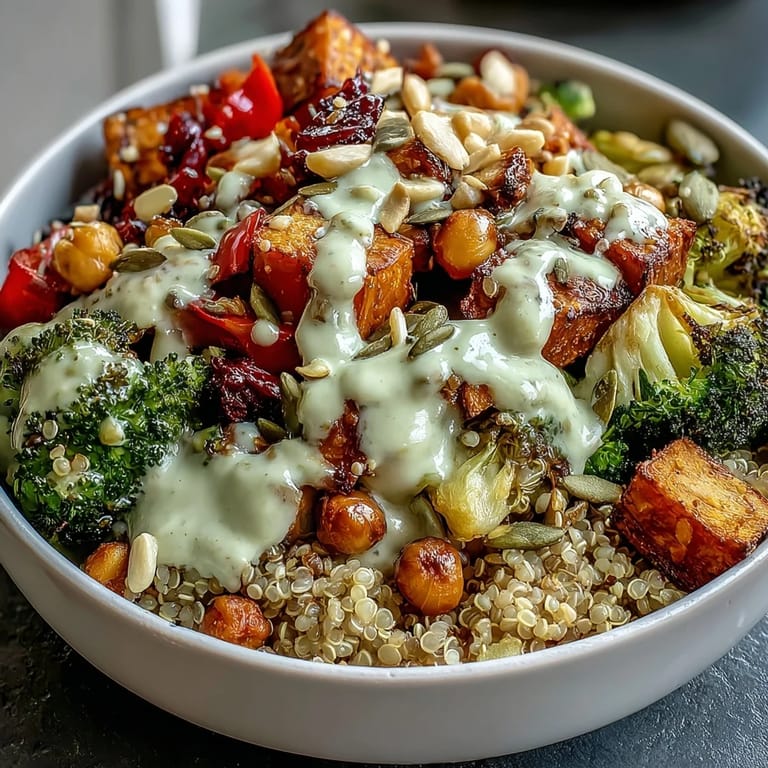
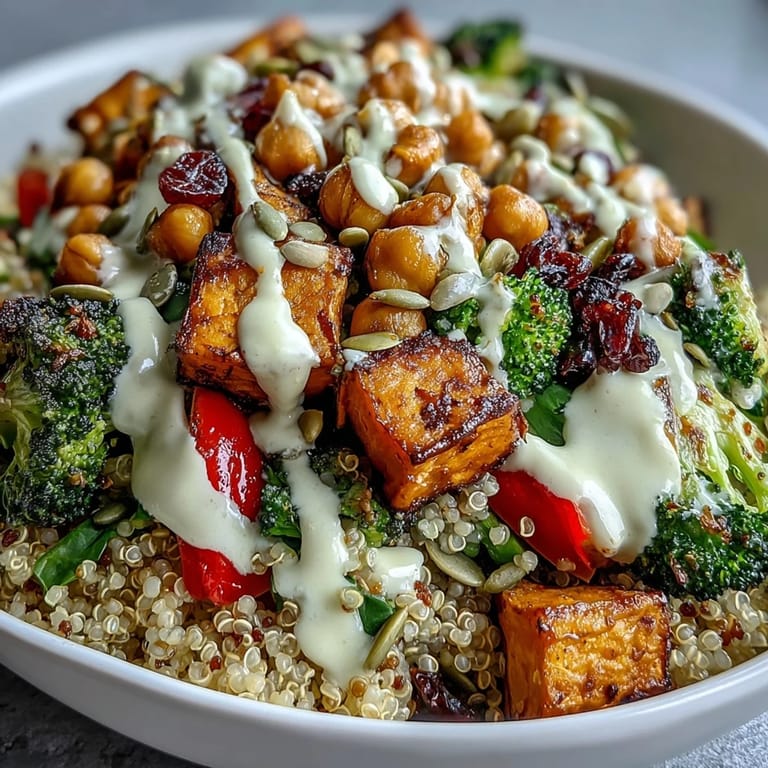
- Start with quinoa at the bottom, then add roasted vegetables, fresh vegetables, beans, and finally your nuts and seeds on top. Layering keeps ingredients from getting soggy and makes the bowl look intentional.
- Add dressing strategically:
- If you're eating today, drizzle the dressing right over the top. If you're saving them for later, pack the dressing in a small container and drizzle it just before eating so the fresh vegetables stay crisp.
 Pin
Pin The week I started bringing these bowls to work instead of buying lunch, my coworker asked why I suddenly looked happier on Wednesdays. I hadn't even realized it, but knowing I had nourishing food waiting meant I didn't crash at three o'clock or waste mental energy deciding where to eat. It's small, but it's real—this bowl became the thing that made the middle of the week feel manageable instead of exhausting.
Swapping Vegetables for the Season
The beauty of this recipe is that it adapts to whatever's at the farmer's market or already in your crisper drawer. In summer, I add raw zucchini ribbons and fresh corn kernels instead of sweet potato; in fall, roasted carrots and butternut squash become my go-to swaps. Winter is when I lean into hearty roasted cauliflower and Brussels sprouts that get crispy and brown in the oven. The core formula stays the same—two cups of roasted vegetables, one cup fresh, and the bowl works every single time.
The Dressing Makes Everything
I used to think tahini dressing was complicated until I realized it's just four ingredients plus flavor builders. The tahini provides creaminess without any dairy, the lemon juice brings brightness, the maple syrup balances bitterness, and the garlic and cumin make it taste like it's from somewhere specific. I've learned that this dressing is forgiving about ratios—you can adjust it based on your taste without ruining it. If you find tahini too strong, add a splash more water and lemon juice to mellow it out.
Grains and Proteins That Last
Quinoa holds up beautifully throughout the week, but brown rice and farro work equally well if that's what you have on hand. The beans are non-negotiable because they provide structure and satiety that keeps you full until dinner. I've experimented with using lentils instead of chickpeas and it works, though the texture is slightly softer—beans with firmer structures like black beans and chickpeas are your safest bet for a bowl that stays interesting on day five.
- Cook extra beans when you make dinner: Having them ready means bowl assembly is genuinely thirty minutes, not an hour.
- Rinse canned beans thoroughly: This removes excess sodium and the metallic taste that can make a bowl feel cheap.
- Toast your seeds before adding them: Five minutes in a dry skillet wakes up their flavor and makes them less likely to get soggy.
 Pin
Pin These bowls have become my answer to the question of how to eat well without it feeling like a sacrifice. They're proof that meal prep doesn't have to taste like punishment—it can taste like lunch you're actually excited to eat.
Recipe FAQs
- → How long do these containers keep refrigerated?
These prepared bowls stay fresh refrigerated for up to five days when stored in airtight containers. For best texture and flavor, keep the tahini dressing in a separate small container and drizzle over immediately before eating.
- → Can I customize the vegetables?
Absolutely. Swap roasted vegetables based on season or preference—zucchini, carrots, cauliflower, or Brussels sprouts all work beautifully. Adjust roasting time as needed until vegetables are tender and lightly caramelized.
- → What grain alternatives work well?
Brown rice, farro, wheat berries, or bulgur make excellent substitutes for quinoa. Cook according to package directions and cool slightly before assembling bowls. Each grain offers slightly different texture and flavor profiles.
- → How can I add more protein?
Include grilled chicken strips, baked tofu cubes, hard-boiled eggs, or crumbled feta cheese if not following vegan guidelines. The beans already provide substantial protein, but these additions boost content further.
- → Can these bowls be frozen?
Freezing isn't recommended due to fresh vegetables and tahini dressing, which separate and become watery when thawed. For longer storage, prep roasted vegetables, quinoa, and beans separately and freeze—then combine with fresh vegetables when ready to eat.
- → What makes the tahini dressing special?
This creamy dressing balances nutty tahini with bright lemon juice, subtle sweetness from maple syrup, and aromatic garlic plus cumin. Adjust water to reach desired consistency—thinner for drizzling, thicker for dipping fresh vegetables.