 Pin
Pin Last summer, my neighbor called asking if I could throw together something for her family reunion the next afternoon—about thirty people she said, somewhat sheepishly. I stood in my kitchen thinking through the usual suspect options when it hit me: why stress over cooking when the magic happens when everyone builds exactly what they want? I raided my fridge, made one trip to the deli counter, and created what became the most talked-about thing at that reunion, even though technically I'd done very little cooking. It turns out the best meals are sometimes the ones that invite everyone to be the chef.
My sister brought this board to a beach day, and I watched my brother-in-law (notoriously difficult about food) stand there for a solid five minutes, rebuilding his sandwich three different ways before finally settling on one. That's when I realized this isn't really about the sandwich—it's about giving people permission to be a little playful with their food, to mix things nobody would normally pair together and discover they actually work. The board somehow turned lunch into an event.
Ingredients
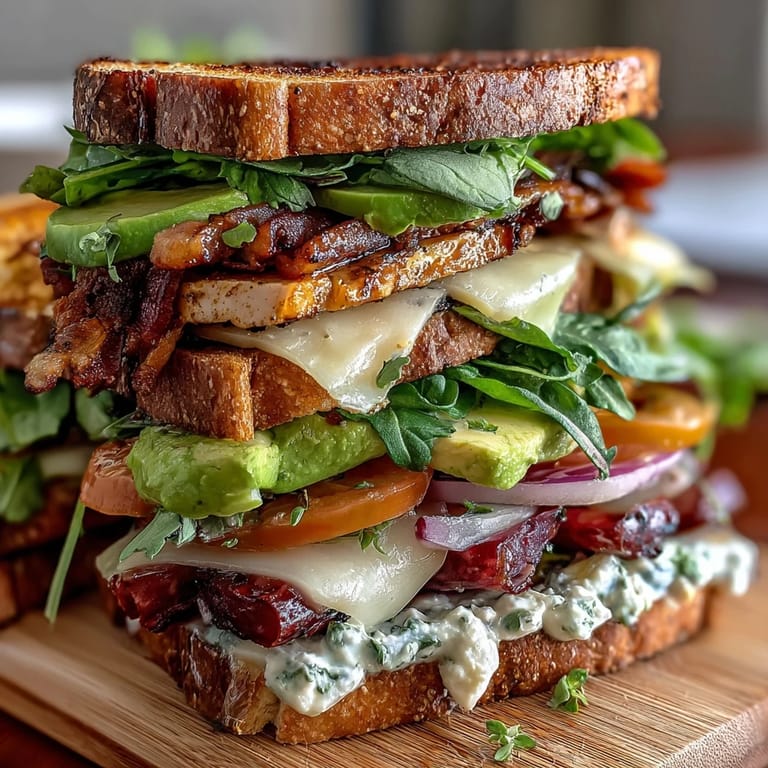
- Ciabatta rolls: Their airy structure handles generous fillings without getting soggy, and they feel sturdy enough for actual eating rather than falling apart in your hands.
- Whole grain sandwich rolls: These offer a nutty contrast and appeal to anyone watching their nutrition—always nice to have the option without making separate boards.
- Sourdough bread: The tang cuts through rich meats and mayo, and its dense crumb holds up beautifully when loaded.
- Smoked turkey breast: Lighter and less salty than some deli meats, this keeps the board from feeling too heavy and pairs well with almost everything.
- Honey ham: The touch of sweetness becomes a bridge flavor that helps disparate toppings feel intentional rather than random.
- Roast beef: This is for the serious meat lovers, and its deeper flavor deserves the good mustards and bold condiments.
- Salami: A small amount goes a long way—its concentrated flavor and slight spice add personality without overwhelming.
- Swiss, cheddar, and provolone cheese: Three distinctly different personalities: Swiss is mild and versatile, cheddar brings sharpness, and provolone adds a touch of sophistication—together they cover everyone's preferences.
- Tomatoes and cucumber: These provide necessary freshness and crunch that keeps the whole experience from tasting heavy.
- Red onion: Thinly sliced means those who find it intimidating can use less, while onion lovers get the snap they want.
- Romaine and baby spinach: Two different textures of green give people real choice, and spinach offers a subtle earthiness that lettuce doesn't.
- Avocado: Sliced rather than mashed makes it easier for people to control how much they use and prevents browning before the party.
- Dill pickles: These are essential—they cut through richness and add the brightness that makes a sandwich feel complete rather than just assembled.
- Mayonnaise and Dijon mustard: The classics work because they work, and spreading your own means people control flavor intensity better than any pre-made version.
- Hummus and pesto: These elevate the board beyond ordinary deli fare and create interesting flavor combinations for the adventurous.
- Black olives, banana peppers, and sun-dried tomatoes: These extras live in the margins of most boards but often provide the unexpected highlight that someone remembers days later.
Tired of Takeout? 🥡
Get 10 meals you can make faster than delivery arrives. Seriously.
One email. No spam. Unsubscribe anytime.
Instructions
- Arrange your breads like a foundation:
- Spread all three types across your largest board or serving surface—don't crowd them. They're the canvas, so give them breathing room and let people see all their options at once.
- Create distinct territory for meats and cheeses:
- Group them by type rather than scattering them randomly, which sounds fussy but actually helps people scan what's available without playing food detective. Overlapping a few slices creates a nicer visual than stacking them in strict piles.
- Let vegetables breathe in their own sections:
- Keep raw vegetables out of small bowls when possible—use the flat board surface so people can see exactly what they're grabbing. The exception is anything wet, which belongs in bowls to prevent bread-sogginess.
- Pour spreads into small bowls with serving utensils:
- This prevents the inevitable mess of communal spreading and the anxiety of contaminating one condiment with another person's knife. Keep the utensils resting in the bowls so people don't have to hunt.
- Invite assembly and eat fresh:
- The beauty of this moment is watching people build their own creations and hearing the little sounds of satisfaction as they discover unexpected flavor combinations. Serve as soon as the board is ready so nothing has time to wilt or dry out.
- Transport and assemble at your destination if needed:
- Pack components in separate containers and reassemble on a picnic board once you arrive—the flavors stay fresher and nothing gets crushed in transit.
 Pin
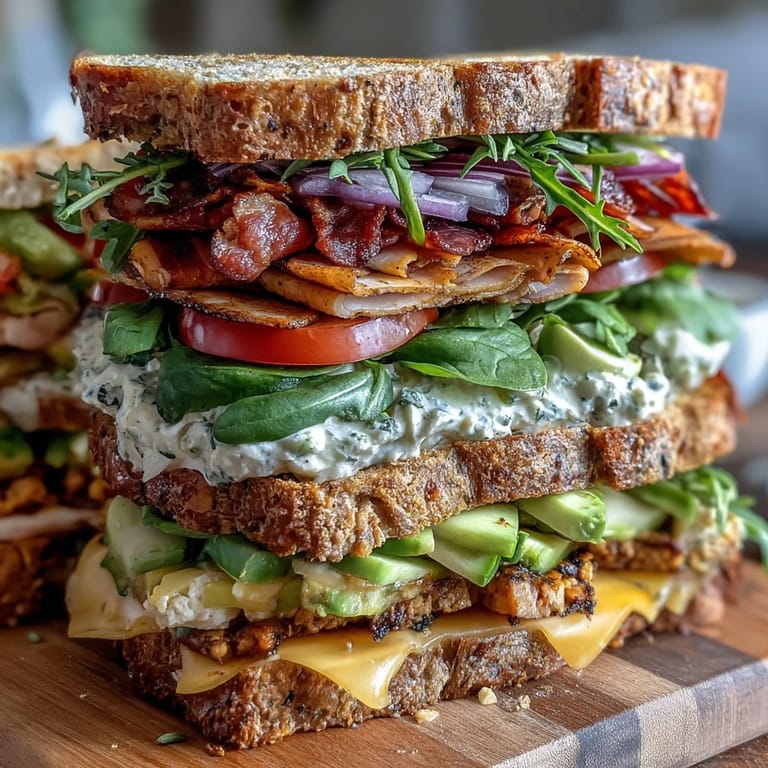
Pin There's a particular satisfaction that comes from setting out a beautiful board and then simply stepping back—watching people's faces as they realize they get to build exactly what they want, no compromises. It feels generous in a way that plated food never quite does, even when plated food requires twice the effort. I've learned that feeding people isn't always about demonstrating culinary prowess; sometimes it's about creating the conditions for them to feel taken care of in the way that matters most to them.
The Art of Board Presentation
Color and contrast matter more here than anywhere else in cooking, partly because people eat with their eyes first and partly because a visually organized board feels respectful and intentional. Arrange items so the board doesn't look picked-over before anyone's even started—spread things across the space generously rather than bunching them in the center. The vegetables should catch light, the meats should show their sliced texture, and the breads should look inviting rather than competing for space. I learned this after my first sad-looking board that basically screamed 'I'm doing this grudgingly,' and I watched people's enthusiasm follow suit.
Timing and Temperature Considerations
While this board technically requires zero cooking, the ordering of when you prepare things actually matters for food safety and quality. Chop vegetables as close to serving time as possible—they stay crisper and don't oxidize into that sad brown look. Keep deli meats and cheeses out of the sun if you're outdoors, and if it's warm, nestle your board components over ice packs hidden beneath the board itself rather than visible ice bowls that melt everywhere. I once served a summer board in full afternoon sun and watched the cheese begin a slow melt that made the whole thing feel slightly wrong, even though technically nothing was unsafe.
Making It Work for Different Diets
The beauty of this format is that dietary accommodations happen naturally through abundance rather than requiring separate preparations. Vegetarians can build entirely around the vegetables, spreads, and cheeses without anyone needing to ask 'can you eat this?' Gluten-free guests can bring their own bread and use everything else on the board without making them feel like an afterthought. I've watched people with different eating styles gather around the same board and somehow all feel equally catered to, which is rarer than it should be.
- Skip the deli meats entirely and add grilled vegetables, marinated artichoke hearts, or crispy chickpeas for a vegetarian version that's just as satisfying.
- Include hard-boiled eggs and a variety of plant-based spreads—tahini, olive tapenade, or white bean hummus—so everyone's building something substantial.
- Keep the board ingredients simple and let guests bring their own specialty breads rather than you trying to stock for every dietary variation possible.
 Pin
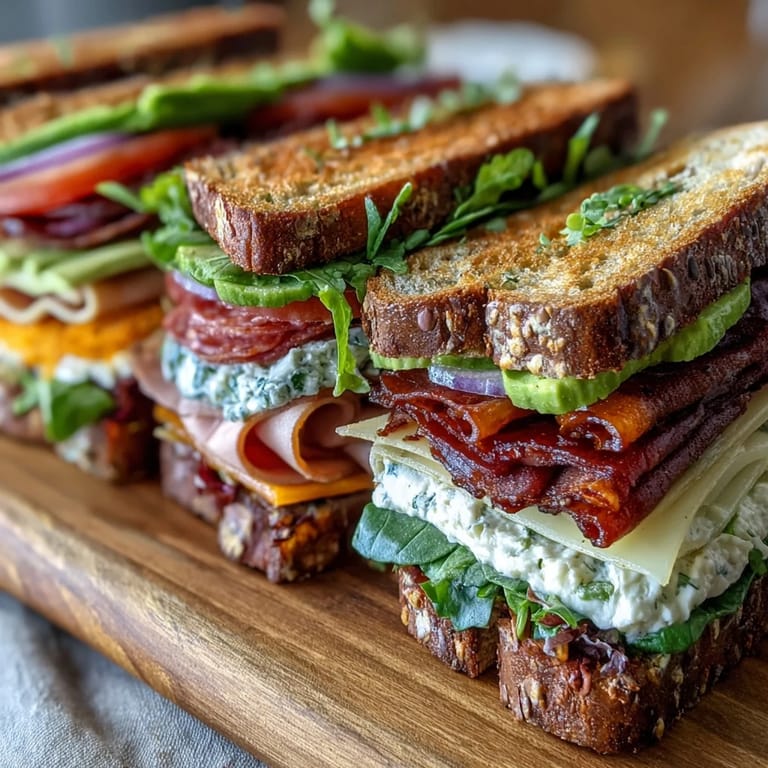
Pin There's something quietly revolutionary about serving food this way—it removes the anxiety of 'will everyone like this?' and replaces it with the certainty that everyone will find something they want. This board has become my go-to for situations where I want to feed people well without performing the usual kitchen labor, and somehow that permission to keep it simple has made these gatherings feel more relaxed for everyone involved.
Recipe FAQs
- → What types of breads work best for this board?
Ciabatta rolls, whole grain sandwich rolls, and sourdough slices provide varied textures and sturdy bases for layering deli meats, cheeses, and vegetables.
- → Can the meats be substituted for vegetarian options?
Yes, grilled vegetables, sliced hard-boiled eggs, or plant-based deli slices serve as great vegetarian alternatives.
- → How should the spreads be served?
Place mayonnaise, Dijon mustard, hummus, pesto, and honey mustard in small bowls with spreaders for easy access and customization.
- → What are some good accompaniments for this board?
Chips, fresh fruit, and pasta salad complement the board nicely, offering additional variety and freshness.
- → Is this board suitable for outdoor gatherings?
Absolutely, it’s ideal for picnics as components can be arranged ahead and assembled on site for freshness and convenience.
- → Which cheeses pair well with the deli meats provided?
Swiss, cheddar, and provolone cheeses complement the smoky and savory deli meats with balanced creamy and sharp flavors.