 Pin
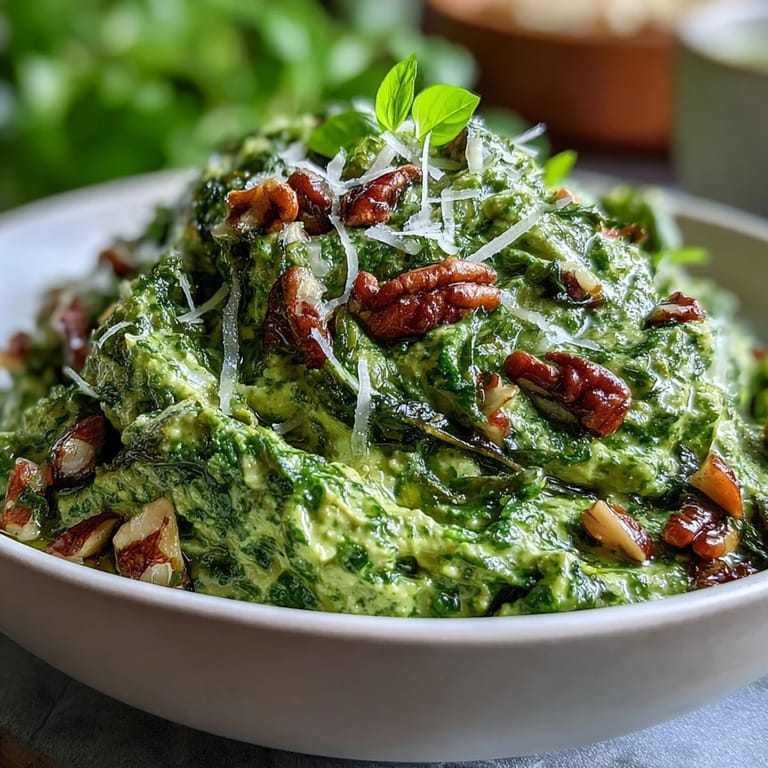
Pin I discovered dandelion pesto by accident one spring when my neighbor showed up with a grocery bag overflowing with greens from her yard, insisting I'd been missing out on something extraordinary. Skeptical about eating weeds, I decided to transform them into something familiar—pesto—and the result was so vibrant and alive that I've been hunting for dandelions every spring since. That first batch tasted like pure sunshine and soil in the best way possible, nothing like the bland grocery store greens I'd grown used to.
A few years back, I brought a jar of this pesto to a potluck where everyone was expecting the same old basil variety, and watching people's faces light up when they tasted something unexpected and green was genuinely magical. One friend asked for the recipe three times that evening, and now she makes it with her kids as a way to teach them that food doesn't have to come from the store to be delicious.
Ingredients
- Fresh dandelion greens, 2 cups loosely packed: These are the star, bringing a peppery, slightly mineral bitterness that feels alive on your tongue—hunt for tender young leaves before the plant flowers, as they're milder and less tough.
- Fresh basil leaves, 1/2 cup (optional): A gentle softening agent that mellows the dandelion's edge without drowning it out, perfect if you're introducing this to skeptics.
- Pine nuts, 1/3 cup, toasted: Toasting them yourself matters more than you'd think—it wakes up their buttery sweetness and prevents that raw, slightly soapy taste you get from untoasted nuts.
- Freshly grated Parmesan cheese, 1/2 cup: Sharp and salty, it anchors the green bitterness and makes everything taste intentional rather than accidental.
- Garlic cloves, 2 large, peeled: Go easy here—the food processor will do the work for you, and too much garlic will overpower the delicate wildness of the dandelions.
- Extra-virgin olive oil, 1/2 cup: The quality here makes an actual difference; cheaper oil can taste waxy and hollow, so splurge a little if you can.
- Lemon juice, 1/2 lemon's worth: This brightens everything, cutting through the richness and preventing the pesto from tasting heavy or dull.
- Kosher salt, 1/2 teaspoon: Layer it in gradually—you can always add more, but you can't take it out.
- Freshly ground black pepper, 1/4 teaspoon: Ground fresh just before using makes all the difference in how vibrant it tastes.
Tired of Takeout? 🥡
Get 10 meals you can make faster than delivery arrives. Seriously.
One email. No spam. Unsubscribe anytime.
Instructions
- Toast the pine nuts until they smell like honey and toast:
- In a dry skillet over medium heat, listen for the gentle crackling and keep moving them around with a wooden spoon for two to three minutes. The moment they turn pale gold and smell absolutely incredible, slide them onto a plate—they'll keep cooking from residual heat, and burnt pine nuts are genuinely tragic.
- Build the base in the food processor:
- Combine the dandelion greens, basil, garlic, cooled toasted pine nuts, and Parmesan cheese, then pulse gently at first—you're not making a puree, you're making something with some texture and personality. Stop and scrape down the sides when things get stuck, giving the processor breaks so everything gets evenly chopped.
- Stream in the oil and lemon juice while the machine runs:
- This is where the magic happens—the steady flow of oil emulsifies everything into something silky and glossy rather than chunky. Go slow and watch it transform, scraping down the sides as needed to make sure nothing gets stranded at the bottom.
- Season and taste, then adjust:
- Pulse in the salt and pepper, then stop and taste on a cracker or your finger. Be honest about whether it needs more lemon brightness, more salt depth, or if the garlic is shouting too loud.
- Transfer and store:
- Spoon it into a jar or bowl, smooth the top with the back of your spoon, and either use it immediately or cover it and refrigerate for up to a week.
 Pin
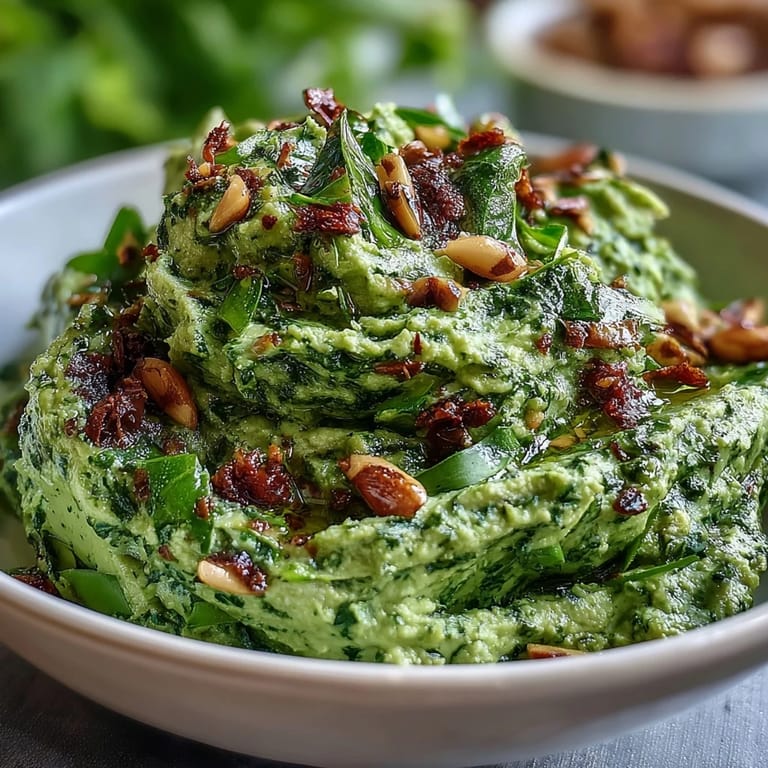
Pin There's something deeply satisfying about making a pesto that tastes like rebellion and spring all at once, especially when you've foraged at least some of the ingredients yourself. It's the kind of sauce that makes ordinary pasta feel like a small celebration, and it reminds you that sometimes the most delicious things are growing right outside if you know where to look.
When Bitter Is Better
I spent years assuming bitter greens were something to endure rather than enjoy, until I realized that bitterness—real, honest bitterness—is actually a sign of nutrition and complexity. Dandelion pesto taught me that those slightly sharp, peppery notes aren't a flaw to apologize for; they're the whole point, the reason this sauce tastes more interesting than standard basil pesto. The balance of bitter greens, rich cheese, buttery nuts, and bright lemon creates a harmony that feels much more grown-up and intentional.
Stretching a Jar Across a Week
Once you've made this pesto, you'll find yourself thinking about it constantly—on sandwiches, stirred into cottage cheese, dolloped on scrambled eggs, even melted over a piece of toast with a fried egg on top. The jar sits in my fridge like a little green treasure, getting used in small amounts across seven days of meals, each one feeling slightly elevated by its presence. I've learned to make double batches because one jar genuinely isn't enough.
Swaps and Substitutions That Actually Work
The flexibility of pesto is one of its great gifts—if pine nuts are too expensive or you have an allergy, walnuts bring an earthier funk that's genuinely good with dandelions, while almonds add a delicate sweetness. For dairy allergies, skip the Parmesan entirely or use nutritional yeast, which brings a savory depth that fills the space the cheese left. You can also mix your dandelion greens with arugula if you want to soften the bitterness, or use only dandelions if you're feeling brave.
 Pin
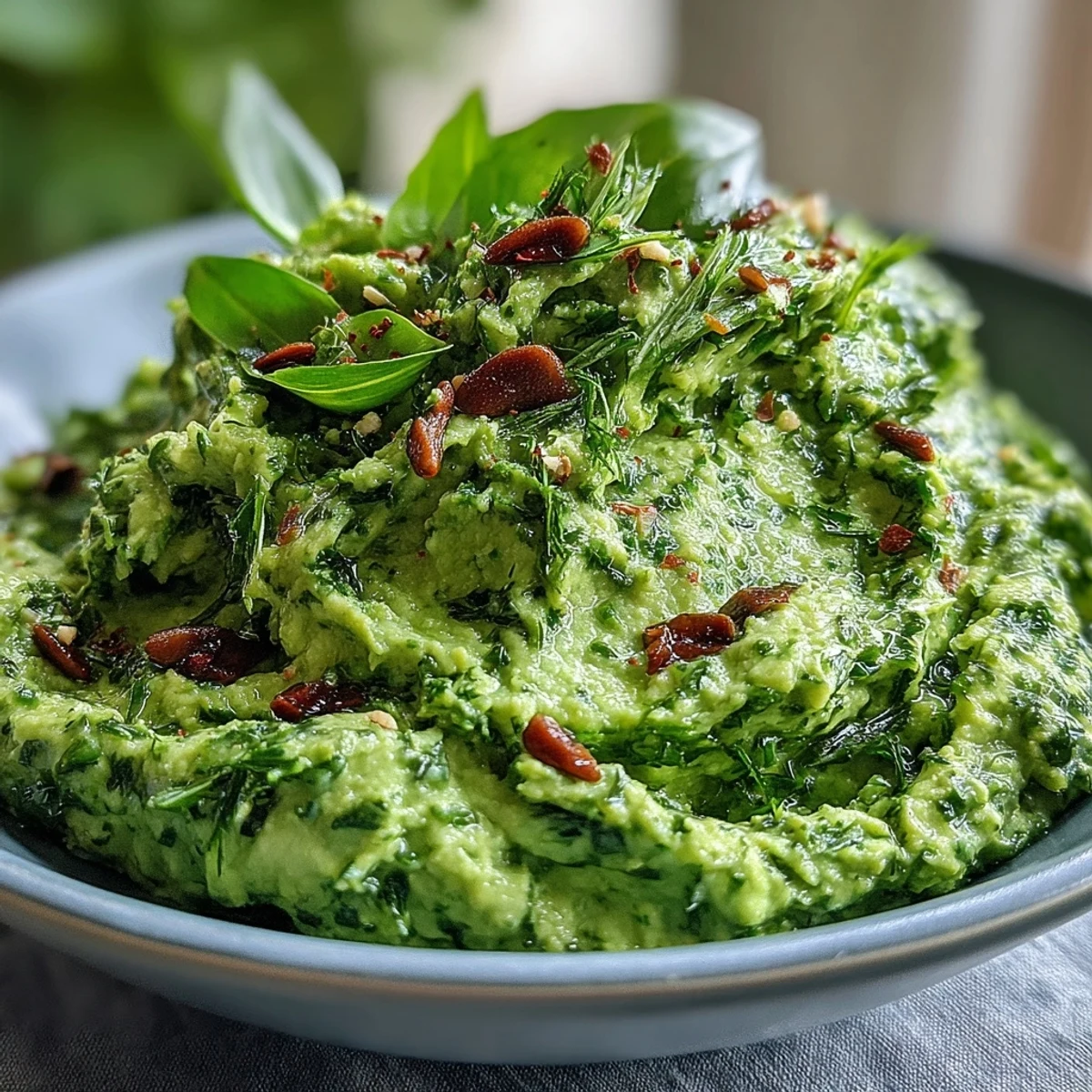
Pin This pesto is proof that the best sauces often come from knowing how to listen to your ingredients and let them speak for themselves. Make a batch this spring and remember that wildness on your plate is something to celebrate, not fix.
Recipe FAQs
- → Can I substitute pine nuts with other nuts?
Yes, walnuts or almonds can be used as alternatives to pine nuts, offering a different but complementary flavor.
- → How can I reduce bitterness in dandelion greens?
Blanching the greens quickly in boiling water before blending helps mellow their natural bitterness.
- → Is it possible to make this without cheese?
Omitting the cheese or replacing it with nutritional yeast accommodates vegan preferences while keeping rich flavors.
- → What dishes work well with this sauce?
This vibrant blend enhances pasta, sandwiches, roasted vegetables, and can also be used as a dip or spread.
- → How should leftover sauce be stored?
Store in an airtight container in the refrigerator for up to one week to maintain freshness and flavor.