 Pin
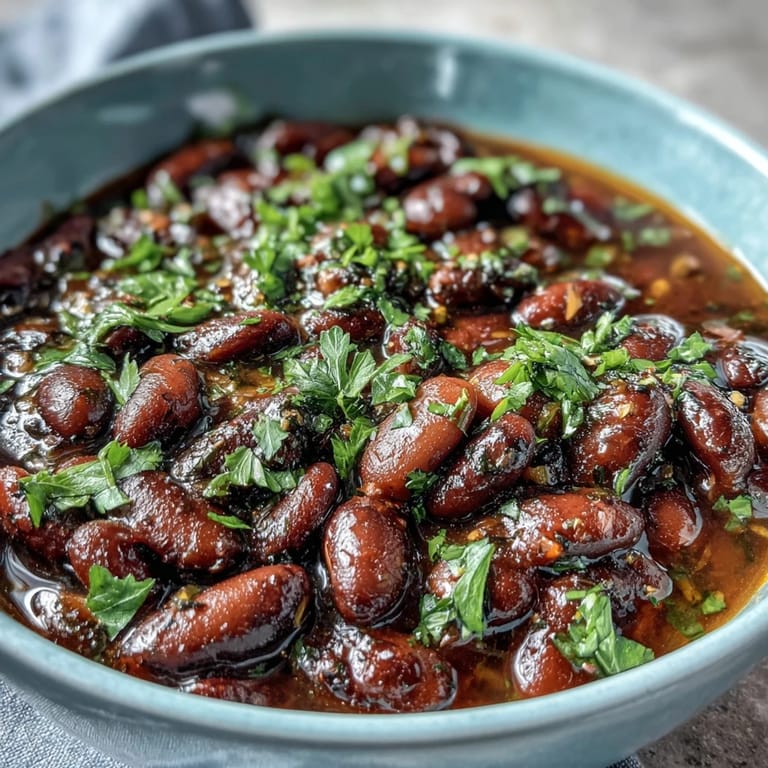
Pin My grandmother used to say that a good stew tells the story of who made it, and this black-eyed pea and collard green stew absolutely does. Years ago, I watched her stand at her kitchen counter on a gray January afternoon, methodically chopping collards while the smell of sautéed onions and celery filled the whole house—that holy trinity of Southern cooking that signals something real is about to happen. She never measured anything precisely, just moved with the confidence of someone who'd made this dish a hundred times, humming softly while the pot simmered low and patient on the stove. What struck me most wasn't just how it tasted, but how it made everyone who gathered around her table feel like they belonged there.
I made this for my partner during the first real cold snap of the season, when we both needed something warm that felt like an embrace in a bowl. He took one spoonful and immediately asked for seconds, and I realized in that moment that food doesn't need to be complicated or fussy to be genuinely moving. We sat at the kitchen table with the pot between us, eating slowly and talking about everything and nothing, and I understood then why my grandmother guarded this recipe like a treasure.
Ingredients
- Olive oil (2 tablespoons): Use a good quality oil here—it's the foundation that carries all the other flavors, and you'll taste the difference.
- Yellow onion, diced (1 large): The sweetness emerges as it cooks down, creating a caramel-like base that makes everything taste richer.
- Garlic, minced (3 cloves): Added after the softer vegetables so it doesn't burn and turn bitter—timing matters.
- Carrots and celery (2 large carrots and 2 stalks): This is the holy trinity of Southern cooking, and together they build incredible depth.
- Jalapeño, seeded and finely chopped (1, optional): Even if you think you don't want heat, a tiny bit adds brightness that makes people wonder what the secret ingredient is.
- Collard greens (1 bunch, about 10 oz): Remove those tough stems—they never soften no matter how long you cook them, so don't waste the space in your pot.
- Diced tomatoes with juices (1 can, 14.5 oz): The acid is crucial; it lifts everything and keeps the stew from tasting one-dimensional.
- Black-eyed peas (3 cups cooked or 2 cans): If using canned, rinse them thoroughly to remove the starchy liquid that can make the stew gummy.
- Vegetable broth and water (4 cups broth and 1 cup water): The ratio of broth to water keeps things from getting too salty if your broth is seasoned.
- Smoked paprika (1 teaspoon): This is where the soul comes from—never skip it or substitute with regular paprika.
- Dried thyme (1 teaspoon): It becomes almost floral as it simmers, grounding the whole dish.
- Cayenne pepper (1/2 teaspoon, optional): Start with less if you're unsure; you can always add more but you can't take it back.
- Salt and black pepper: Taste as you go—the salt should enhance, not dominate.
- Bay leaves (2): Fish them out before serving, or someone will get a mouthful of leaf and your dinner party becomes a comedy show.
- Apple cider vinegar (1 tablespoon): Added at the end, it brightens everything like turning up the volume on a song you love.
Tired of Takeout? 🥡
Get 10 meals you can make faster than delivery arrives. Seriously.
One email. No spam. Unsubscribe anytime.
Instructions
- Build your base with heat and patience:
- Pour olive oil into your pot over medium heat and listen for that gentle sizzle when you add the onion, carrots, celery, and jalapeño. You want them to soften and turn translucent, which takes about 6 to 8 minutes—this isn't a race, and rushing here means missing the moment when the vegetables release their sweetness.
- Wake up the garlic:
- Once the vegetables are soft, add your minced garlic and stir constantly for about a minute until the kitchen smells like a place where good things happen. You're looking for fragrant without browning—if the garlic starts to turn golden, you've gone too far.
- Toast your spices:
- Add the smoked paprika, thyme, cayenne, salt, and pepper to the pot and cook for just one minute, stirring constantly. This technique, called blooming, releases the oils in the spices and makes them exponentially more flavorful.
- Fold in the greens:
- Add your chopped collard greens and stir for 3 to 4 minutes until they begin to wilt down—they'll seem to take up half the pot at first, but they shrink considerably. This is when the kitchen starts smelling like Sunday dinner.
- Bring it all together:
- Pour in the tomatoes with their juices, the black-eyed peas, vegetable broth, water, and bay leaves, stirring to combine everything evenly. The moment you do this, you'll see the color deepen and feel like something real is beginning.
- Let time do the work:
- Bring the stew to a simmer, then reduce the heat to low, cover the pot, and let it cook for 45 to 50 minutes, stirring occasionally. The longer it sits, the more the flavors meld into something greater than the sum of their parts.
- Finish with brightness:
- Remove the bay leaves, stir in the apple cider vinegar, and taste carefully before adjusting salt and pepper. That final splash of acid is the thing that makes people take another bite and ask what you did to make it taste so good.
 Pin
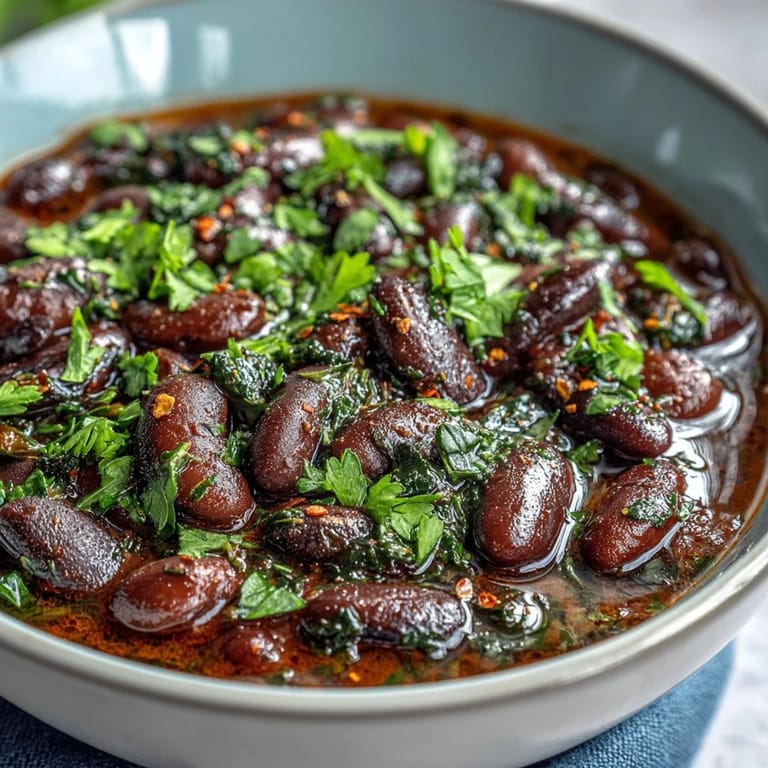
Pin This dish became more than just food the first time I served it at a small gathering where people from completely different backgrounds sat around my table. Someone mentioned their grandmother's stew, someone else talked about learning to cook from their mother, and suddenly we were all connected through this simple, honest bowl of vegetables and legumes. That's when I understood that my grandmother was right—the stew tells the story of who made it, and in this case, it was telling a story about bringing people together.
Why Smoked Paprika Changes Everything
The first time I made this without smoked paprika, thinking regular paprika would do just fine, the stew tasted flat and one-dimensional despite all my effort. That single teaspoon of smoked paprika does something almost magical—it adds depth and a whisper of smoke that makes people taste something they can't quite identify, and that mystery is what keeps them coming back for more. Once you understand how much one ingredient can transform a dish, you start looking at cooking differently.
The Gift of Low and Slow Cooking
There's something deeply meditative about a pot simmering on low heat for nearly an hour, filling your kitchen with warmth and aroma. You don't have to stand there watching constantly; you can go fold laundry, read a book, or simply sit with your thoughts while dinner quietly becomes itself. This pace of cooking reminds you that not everything in life needs to be rushed, and some of the best things happen when you give them time and space.
Serving and Customizing Your Stew
Serve this hot, preferably with cornbread for soaking up every last drop, but honestly the stew is complete and satisfying on its own. I've learned that the best meals are the ones where people feel welcome to make them their own, so always set out hot sauce, a squeeze bottle of lemon juice, and any other toppings people might love. Everyone's palate is different, and what tastes perfect to you might benefit from an extra kick of heat or acid for someone else, and that's the beautiful part of cooking for people.
- Cornbread on the side is traditional and transforms the whole eating experience into something almost ceremonial.
- A bottle of hot sauce on the table gives people permission to customize without feeling like they're fixing something you got wrong.
- Fresh lemon juice is underrated—just a squeeze can make the whole bowl sing if someone prefers brightness to richness.
 Pin
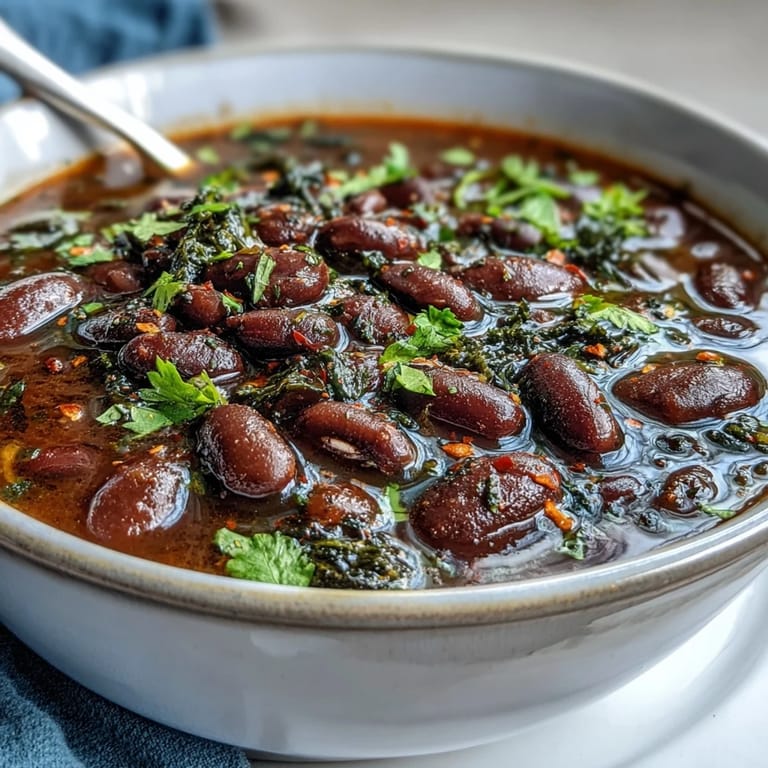
Pin This is the kind of food that feeds more than just your hunger—it nourishes the part of you that needs to feel cared for and connected. Make it often, make it for people you love, and let it become part of your story the way it became part of mine.
Recipe FAQs
- → How do you prepare the collard greens for this stew?
Remove the stems and chop the leaves before adding to the pot for even cooking and tenderness.
- → What spices give this dish its smoky flavor?
Smoked paprika and optional cayenne pepper lend warmth and a subtle smoky essence.
- → Can smoked meat be added to enhance the flavor?
Yes, sauté diced smoked turkey or ham with the vegetables or incorporate liquid smoke for deeper richness.
- → What is the cooking time to ensure tender peas and greens?
Simmer the stew covered on low heat for 45–50 minutes until the greens soften and flavors meld.
- → How can the stew be adjusted for additional spice?
Increase the amount of jalapeño or cayenne pepper to add more heat according to taste.